Nick Klenske
Freelance Writer and Editor
Creative Content. Insightful Writing. Exceptional Communications.

cordis.europa.eu
Bioartificial pancreas offers a potential cure for type 1 diabetes
A retrievable, living implant developed by the EU-funded VANGUARD project recreates the function of the pancreas, offering a scalable approach to restoring the patient’s ability to regulate blood sugar.
euspa.europa.eu
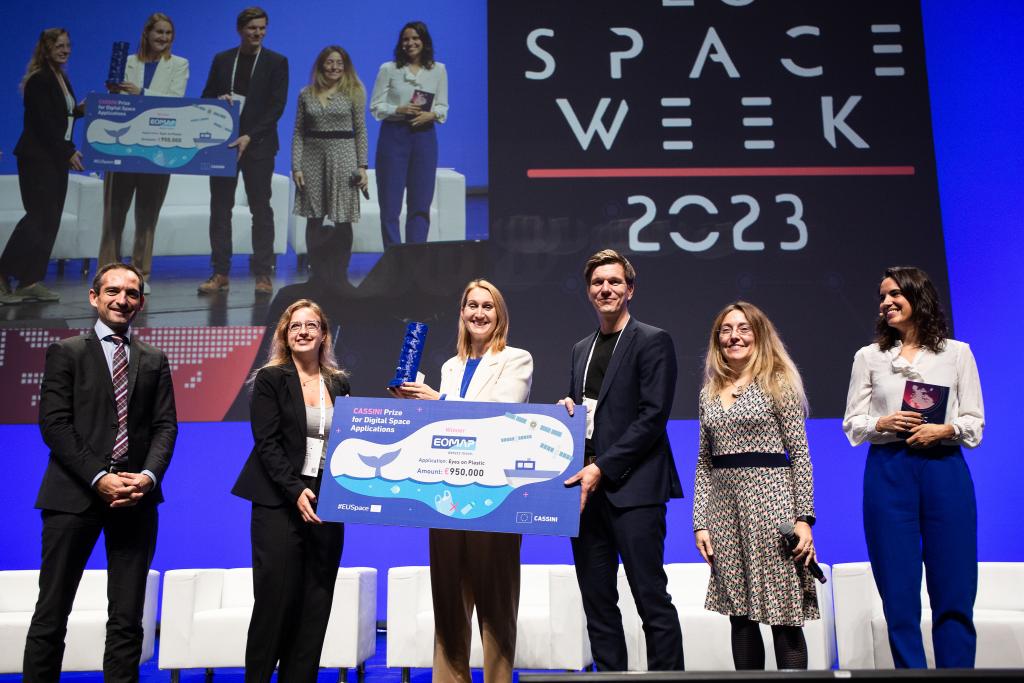
The future of space is female
Did you know that only 20% of space industry workers are female? Perhaps even more concerning is the fact that this ratio has remained relatively unchanged over the past three decades. What can we do to help close the space gender gap? To find out, EUSPA sat down with three women who are at the forefront of Europe’s space sector.

sesarju.eu
iSNAP moves the needle towards a new ATM service delivery model
Delivering two game-changing solutions, the SESAR-supported iSNAP project is paving the way towards a next‑generation ATC platform.
euspa.europa.eu
EU Space makes Earth Day every day
Today may be Earth Day, but our planet requires much more than a day to heal, recover and sustain life for future generations. With increasing temperatures driven by climate change causing extreme weather, accelerated ice melt, rising sea levels, biodiversity loss and ecosystem collapse – what the Earth really needs is 24/7 support 365 days a year.
EU Space provides exactly that.
Here are 10 ways that the EU Space Programme helps make Earth Day every day.

cordis.europa.eu
A revolution in animal growth and health
A new solution uses data science and artificial intelligence to help the agri-food industry identify biological drivers that can sustainably influence livestock growth.

cordis.europa.eu
New insights on binary star evolution
Armed with innovative new computer simulations, the Cat-In-hAT project has advanced astronomy’s understanding of the common envelope evolution phenomenon.

cordis.europa.eu
Matching risk perception with disaster preparedness
Citizens and civil protection authorities have come together to co-create solutions for enhancing disaster resilience.

cordis.europa.eu
Research could bear fruit for sustainable food production
Research into fruit evolution may help increase the sustainable production of plant-based foods.

cordis.europa.eu
A new era of emerging zoonotic vector-borne diseases
As climate change increases the risk of zoonotic vector-borne diseases, countries must find new ways to both detect new diseases and prepare for a potential outbreak.

cordis.europa.eu
From artificial intelligence to climate intelligence
By embedding artificial intelligence into climate services, researchers are enabling more robust, forward-looking and climate-informed decision-making across Europe.
impact-sphere-gda.esa.int
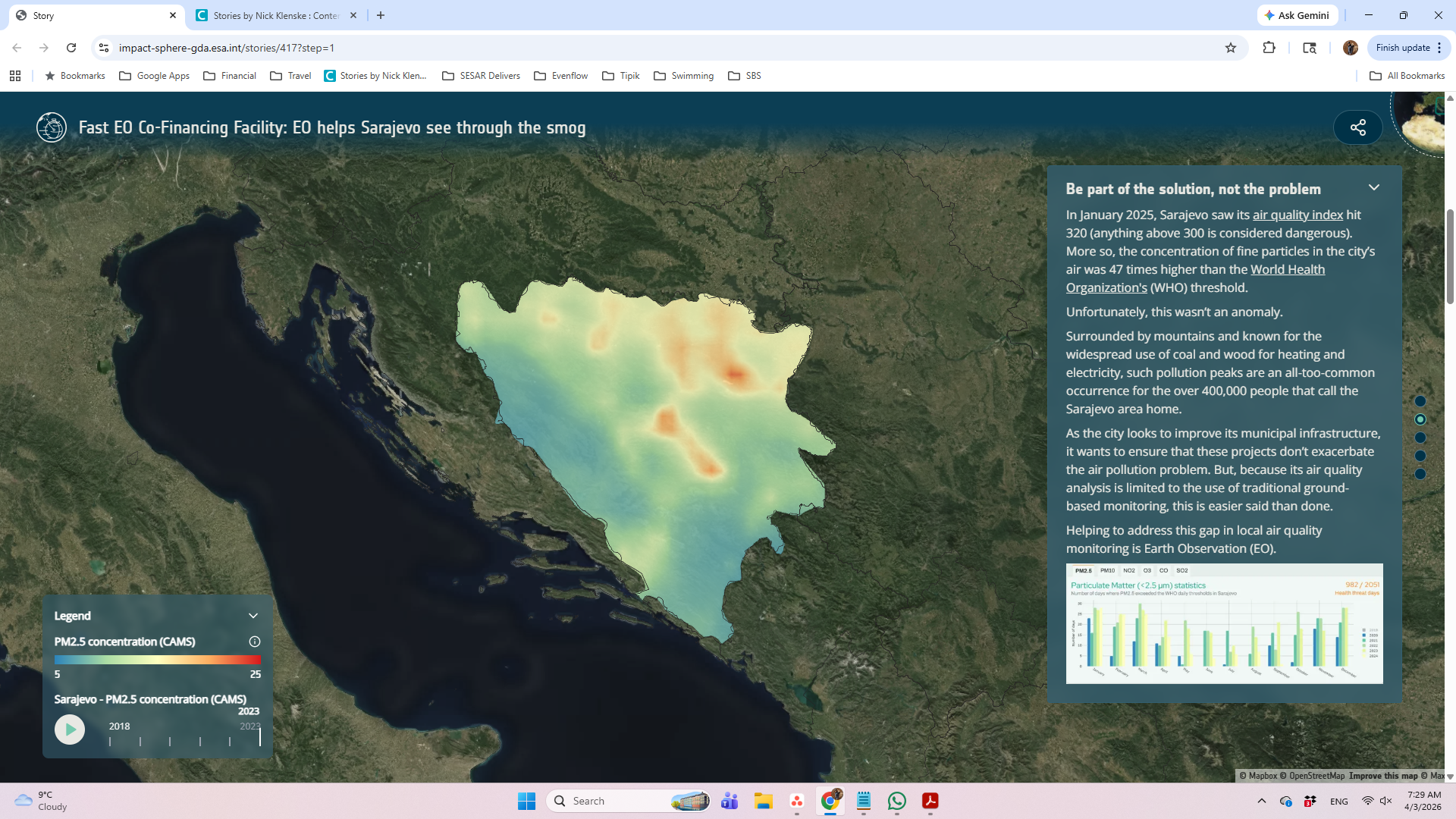
EO helps Sarajevo see through the smog
Surrounded by mountains and known for the widespread use of coal and wood for heating and electricity, Sarajevo is regularly ranked as one of the world’s most polluted cities.
Discover how Earth Observation is helping the city see through the smog.

cordis.europa.eu
Ancient DNA unveils new insights into life during Iron Age Europe
Researchers use archaeogenetics to study ancient migration patterns and power dynamics, helping us better understand where we came from – and where we might be heading.

rsna.org
CT Colonography a Better Alternative to FIT and Reliable Alternative to Colonoscopy
Colorectal cancer (CRC) isn’t only one of the most commonly diagnosed cancers, it’s also one of the most lethal. Perhaps even more concerning is that the American Cancer Recent evidence and expanded coverage strengthen the case for adopting CTC as a high-value option in average-risk CRC screening
sesarju.eu
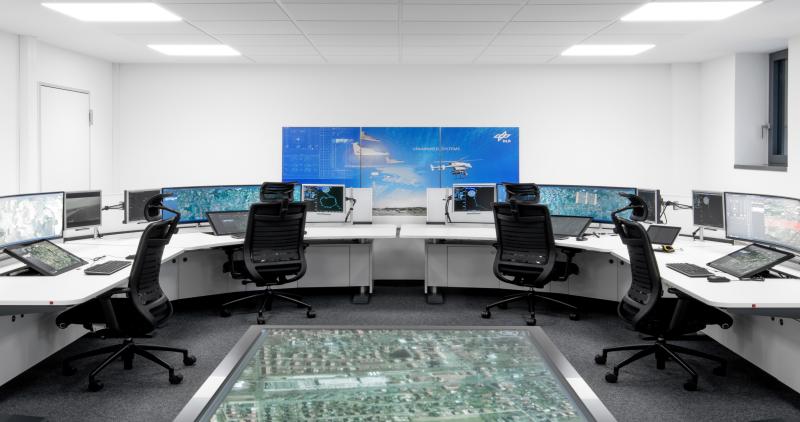
A new vision for simulation
Imagine a future where domain-specific simulators from across Europe can seamlessly interact. A future where collaboration accelerates the development of innovative ATM concepts. Shaping that future is the VISORS project.

cordis.europa.eu
Empowering first responders during emergencies
Digital tools can help first responders adapt to and overcome the challenging conditions they encounter every day.